


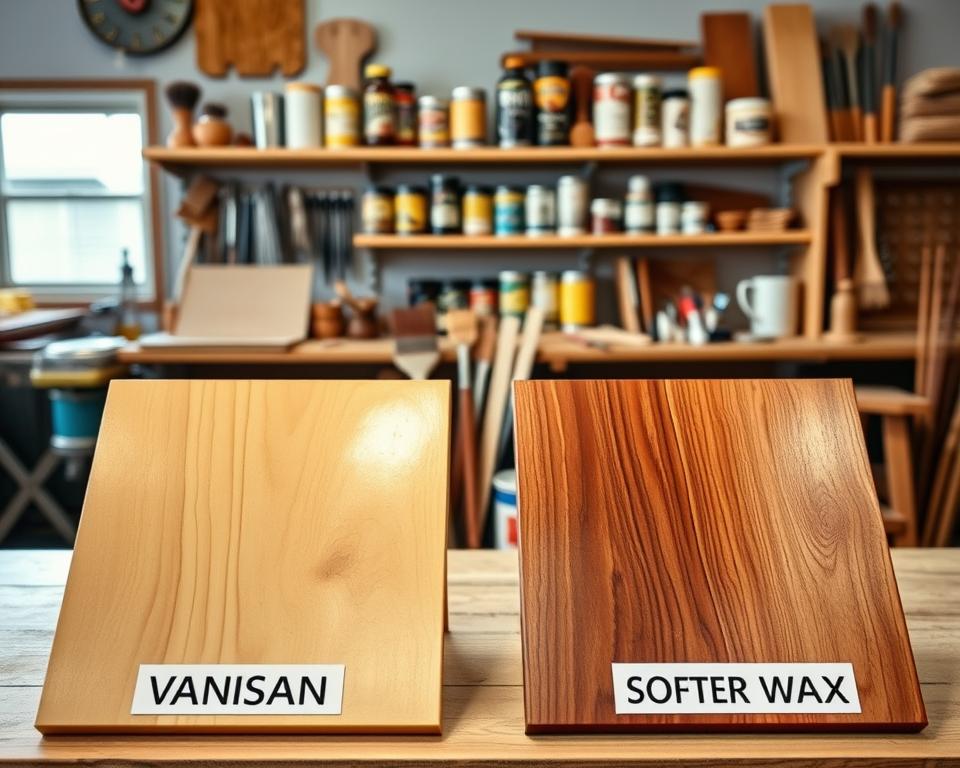
Choosing the right finish for your wood project can be tough. There are many options out there. A good finish can make your project last longer and look better. But, a bad choice can lead to poor results.
When it comes to wood finishes, varnish and wax are two top picks. Each has its own pros and cons. The best choice depends on how you plan to use your project and what it should look like.
I’ll help you understand what to consider. The choice between varnish and wax depends on your project’s needs.
Key Takeaways
- Understanding the differences between varnish and wax finishes is key.
- The choice of finish depends on the project’s intended use.
- Desired appearance plays a big role in selecting a finish.
- Maintenance requirements vary between varnish and wax finishes.
- Selecting the right finish enhances the project’s durability.
Understanding Varnish: A Complete Overview
When choosing between varnish and wax for your project, knowing about varnish is key. Varnish is a clear coat that protects and beautifies wood. It’s vital to understand its makeup, types, and benefits for your furniture projects.
What is Varnish?
Varnish is a liquid that dries to a hard, protective finish. It’s made from resins, solvents, and drying oils. This creates a glossy, durable finish that resists scratches and fading. Varnish is great for furniture because it enhances the wood grain and protects it well.
Types of Varnish
There are many varnish types, each with its own uses. Here are a few common ones:
- Oil-Based Varnish: It’s durable and has a rich look, perfect for busy areas and furniture needing strong protection.
- Water-Based Varnish: It’s easy to clean up and won’t yellow, ideal for clear finishes.
- Polyurethane Varnish: It’s very durable and resistant to scratches and chemicals, great for heavily used surfaces.
A woodworking expert says, “Choosing varnish depends on your project’s needs, like the wood type, desired finish, and durability level.”
“Varnish is not just a finish; it’s a way to protect and preserve the beauty of wood for generations to come.”
Advantages of Using Varnish
Using varnish on wood projects has many benefits. Some key ones are:
- Durability: Varnish gives a hard, protective finish that lasts.
- Enhanced Appearance: It makes the wood grain stand out, showing the wood’s natural beauty.
- Easy Maintenance: Varnished surfaces are simple to clean and keep up.
In summary, varnish is a versatile and durable finish that can make your wood projects look better and last longer. Knowing about the different varnishes and their benefits helps you choose the right one for your next furniture project.
Exploring Wax Finishes: Everything You Need to Know
Wax finishes are a top choice for wood surface protection. They are easy to apply and last long. They also protect wood from moisture and wear, giving it a warm glow.
What is Wax Finish?
A wax finish is a protective coating for wood. It’s made from waxes like beeswax or paraffin wax mixed with solvents. It helps protect wood and makes it look better.
Types of Wax Finishes
There are many wax finishes, each with its own features. Here are a few common ones:
- Beeswax: A natural wax that gives wood a soft, warm look.
- Furniture Wax: A mix of waxes for furniture.
- Paste Wax: A thick wax for areas that get a lot of use.
Benefits of Wax Finishes
Wax finishes have many benefits, making them great for best finish for wood projects. Here are some key points:
- Easy to Apply: Wax finishes are simple to use, even for beginners.
- Durable: They create a strong barrier against moisture and wear.
- Aesthetic Appeal: They add a rich, warm glow to wood, improving its look.
Knowing about wax finishes and their benefits helps you decide if they’re right for your wood project.
Comparing Durability: Varnish vs. Wax
Choosing between varnish and wax finishes depends on their durability and how well they resist the environment. It’s key to think about how each option will last over time.
How Varnish Holds Up Over Time
Varnish is very durable, creating a hard, protective layer. Varnish finishes work well in places with lots of foot traffic or where surfaces get a lot of use. They protect against scratches and fading, keeping your project looking good for a long time.
Long-lasting protection is a big plus of varnish. It acts as a shield, keeping the material underneath safe from harm. This means your project will stay in great shape for many years.
Wax Finish Longevity
Wax finishes aren’t as tough as varnish against scratches, but they do offer some protection. Wax finishes are simpler to fix and keep up than varnish. You can put new wax on without stripping off the old finish.
Wax lets the wood move with temperature changes, which helps prevent cracking. This makes wax a good pick for projects where moisture isn’t a big worry.
Environmental Resistance
Varnish and wax finishes face different challenges from the environment like moisture, UV light, and temperature changes. Varnish usually wins in these battles, making it great for outdoor or wet places.

But wax can also protect well, if used right and in the right place. The trick is to pick the right wax and apply it correctly to get the best protection.
Application Techniques for Varnish
To get a perfect varnish finish, you need to prepare the surface well and apply the varnish carefully. Varnish is great for wood because it’s durable and looks good.
Essential Tools and Supplies
First, make sure you have all the tools and supplies you need. These include:
- A high-quality varnish that fits your wood type
- Paintbrushes or foam brushes in different sizes
- A clean, lint-free cloth
- Sandpaper or a sanding block
- A well-ventilated workspace
Experts say, “The right tools are key for a smooth finish.” Picking the right varnish is very important, and it must match your wood.
Step-by-Step Varnish Application Process
Here’s how to apply varnish successfully:
- Start by sanding the surface until it’s smooth.
- Clean the surface well to get rid of dust or debris.
- Use a brush to apply a thin, even layer of varnish.
- Let the first coat dry as the maker says.
- Sand lightly between coats for a smooth finish.
- Keep applying coats until you get the finish you want.
The table below shows the main steps and things to think about for varnish application:
| Step | Description | Considerations |
|---|---|---|
| 1 | Surface Preparation | Sand to a smooth finish |
| 2 | Cleaning | Remove dust and debris |
| 3 | First Coat Application | Apply thin, even coat |
| 4 | Drying | Follow manufacturer’s instructions |
By following these steps and using the right products, you can get a beautiful, lasting varnish finish.
Application Techniques for Wax Finishes
To get a professional wax finish, knowing the right techniques and tools is key. Applying wax needs care, but with the right steps, you can get stunning results.
Tools Needed for Wax Application
Before starting, gather essential tools. You’ll need a high-quality wax finish, a clean cloth or applicator pad, and a soft cloth for buffing.
The wax you pick affects your finish’s look and durability. Think about the color, finish, and protection you want. Some waxes work over stains or paint, while others go on bare wood.
Step-by-Step Wax Application Process
Applying wax is simple:
- Prepare your surface: Make sure the wood is clean, dry, and free of dust.
- Apply the wax: Use your cloth or pad to put a thin, even layer on the wood. Work in small sections for even coverage.
- Allow the wax to dry: Wait for the time the wax’s maker says, which varies by type.
- Buff the surface: Once dry, buff with a soft cloth to remove excess wax and smooth out the finish.
- Inspect and repeat: If needed, add more wax coats following the same steps.
Bob Vila, a home improvement expert, says, “The right finish can make or break a wood project.”
“The finish is the final touch that brings out the beauty of the wood, and wax is one of the most versatile and easy-to-apply options available.”
Here’s a comparison of wax application techniques:
| Technique | Description | Best For |
|---|---|---|
| Thin Coat | Applying a thin layer of wax for a subtle finish. | Delicate or detailed work |
| Multiple Coats | Applying several layers of wax for a deep, rich finish. | Projects requiring high durability |
By following these steps and picking the right tools, you can get a beautiful, lasting wax finish. Regular wax reapplication keeps your finish looking great.
Maintenance Requirements: Varnish vs. Wax
Knowing how to care for your finish is important. Both varnish and wax need regular upkeep to stay looking good and last long.
Caring for Varnished Surfaces
Varnished surfaces are easy to keep up. Just use a soft cloth and mild soap for cleaning. Stay away from harsh chemicals that can harm the varnish. Periodic polishing keeps the finish shiny.
If your varnished surface gets a lot of use or faces harsh weather, think about adding a protective coating. It helps prevent scratches and fading.

Maintaining Waxed Finishes
Waxed finishes need wax reapplied often to keep them protected. How often you wax depends on how much the surface is used. Busy areas or outdoor furniture might need wax more often.
Before waxing, make sure to clean the surface gently. Use a soft cloth and a mild cleaner. Then, apply a thin layer of wax and buff it for a smooth finish.
Regular care keeps your waxed finish looking great and lasting longer. By following these easy steps, your wood project will stay beautiful for years.
Aesthetic Appeal: Varnish and Wax Finishes
When picking the perfect finish for my woodworking, I think about varnish and wax. Each has its own look that can change how the wood looks.
Varnish and wax give wood different looks. Knowing these differences helps me choose the right one.
Visual Differences Between Varnish and Wax
Varnish makes wood look glossy and bright. It brings out the wood’s color and grain. Wax, on the other hand, gives a soft, matte look that adds warmth.
The look of varnish and wax isn’t just about shine. Varnish makes the wood’s color and grain stand out. Wax gives a smooth, even sheen.
Choosing the Right Finish for Your Project
Choosing between varnish and wax depends on your project’s use and look. Varnish is great for a glossy finish that highlights the wood. Wax is better for a soft, matte look that adds warmth.
Here’s a table to help you decide:
| Characteristics | Varnish | Wax |
|---|---|---|
| Finish Appearance | Glossy, High-Gloss | Matte, Subtle |
| Durability | High | Moderate |
| Maintenance | Easy to Clean | Periodic Reapplication |
The choice between varnish and wax depends on your project and what you like. Think about the look and durability you want.
By understanding the differences, you can pick the best finish. This will make your woodwork look great and last long.
Cost Considerations: Varnish vs. Wax
Choosing between varnish and wax for your woodworking project involves looking at costs. Both options have their own costs and benefits.
Understanding the cost of a finish is as important as its look and protection. It’s key to compare varnish and wax costs to decide.
Price Comparison
Varnish and wax have different starting prices. High-quality varnish is often pricier than wax. But, the cost of applying each finish also matters.
Varnish needs thin coats, which can raise labor costs. Wax, though simpler to apply, might need more frequent touch-ups.
Long-Term Value Analysis
Varnish’s higher initial cost can be offset by its durability. It offers long-lasting protection, reducing the need for frequent repairs.
Wax, while easier to fix, may not last as long. It could need more upkeep over time. For example, a wooden table might cost $50 for varnish and $20 for wax.
But, if varnish lasts 10 years and wax every 2, wax’s long-term cost is higher.
When choosing, think about both initial and long-term costs. It’s not just the first price; it’s the total value. This helps match the finish to your project’s needs and budget.
Environmental Impact of Finishes
As we worry more about the environment, it’s key to look at varnish and wax finishes’ effects. Choosing between them for our wood projects means understanding their impact. This helps us make better choices.
Both varnish and wax finishes have environmental costs. From making to using and then throwing them away, they affect our planet. By picking eco-friendly options, we can lessen our project’s harm to the environment.
Eco-Friendly Options for Varnish
Varnish makers have made greener products to meet our environmental worries. Now, some varnishes use water or plants instead of harsh chemicals. This cuts down on bad stuff in the air and lessens harm to the planet.
When picking a varnish, look for “low-VOC” or “eco-friendly” labels. These varnishes are better for the air inside and the planet. They’re made with less harm to the environment.
Here’s a comparison of traditional varnish and eco-friendly varnish options:
| Characteristics | Traditional Varnish | Eco-Friendly Varnish |
|---|---|---|
| Base Ingredients | Petroleum-based | Water or plant-based |
| VOC Levels | High | Low |
| Environmental Impact | Higher | Lower |
Sustainability of Wax Finishes
Wax finishes are often better for the planet than varnish. They use natural stuff and don’t pollute the air as much. Beeswax and other natural waxes are safe and break down easily.
But, how green wax finishes are depends on where the wax comes from and how it’s made. Choosing wax from local, sustainable sources helps more.
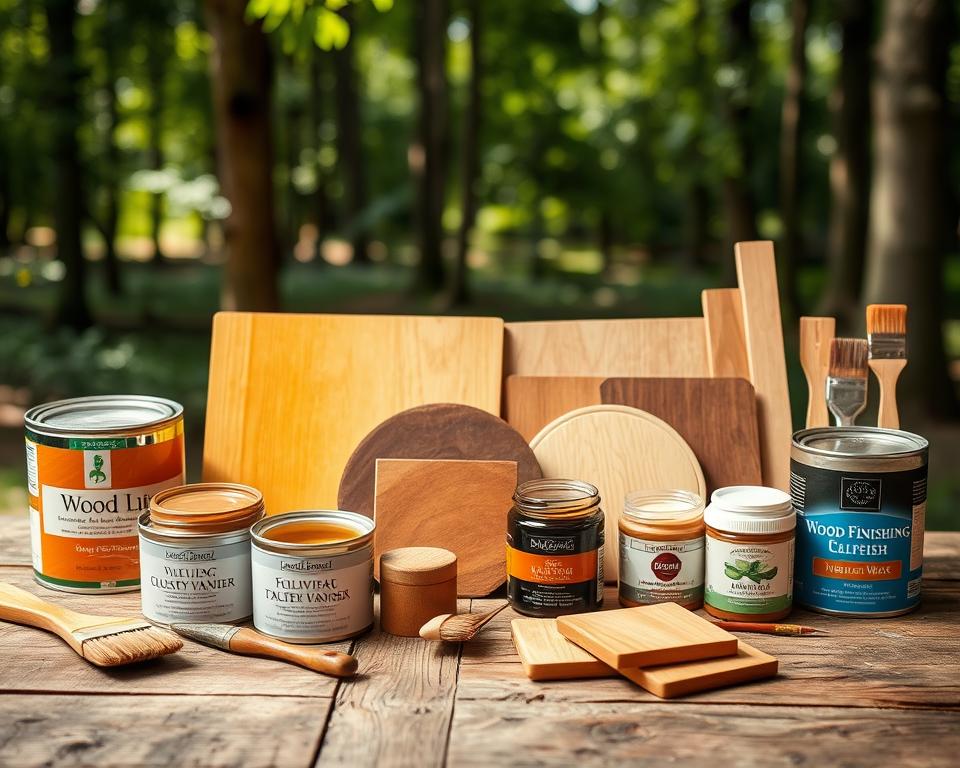
When deciding between varnish and wax, think about the planet. Going for eco-friendly varnish or sustainable wax helps our woodworking be kinder to the earth.
Best Applications for Varnish
Varnish is great for projects that face a lot of wear and tear. It’s tough against scratches and fading. This makes it perfect for interior woodwork.
Ideal Projects for Varnish
Varnish works well for furniture, flooring, and busy areas. Wooden floors in homes or offices get a lot of protection from it. It’s also great for tables and chairs that get a lot of use.
It’s also good for places near water, like kitchen cabinets and bathroom trim. Varnish keeps wood safe from moisture and spills.
When to Choose Varnish Over Wax
Think about how much protection and durability you need. Varnish is better for projects that need to last a long time. It doesn’t need to be reapplied often.
For example, varnish is best for floors or furniture that gets a lot of use. It also gives a glossy look that makes wood shine.
Wax is better for softer finishes or less used pieces. The choice between varnish and wax depends on your project’s needs.
Best Applications for Wax Finishes
In woodworking, wax finishes are versatile and effective. They’re perfect for projects needing a soft, matte look. They’re easy to apply and give a warm, rich feel.
Suitable Projects for Wax Finishes
Wax finishes are great for furniture makeovers, giving them a distressed or vintage vibe. They’re also good for wood carvings and decorative items that want a soft sheen.
Some key benefits of wax finishes include:
- Easy to apply and maintain
- Provides a subtle, matte finish
- Can be used to create a distressed or vintage look
- Suitable for a variety of wood types
When to Opt for Wax Instead of Varnish
Choosing between wax and varnish depends on what you want. Wax is better for a low-maintenance, easy-to-apply finish with a soft sheen.
| Finish Type | Durability | Sheen | Maintenance |
|---|---|---|---|
| Wax Finish | Moderate | Low to Medium | Easy |
| Varnish | High | Medium to High | Moderate |
In short, wax finishes are ideal for projects needing a soft, matte look and easy care. Knowing the benefits and uses of wax finishes helps you choose the right option for your woodworking project.
Conclusion: Finding the Right Finish for My Project
Choosing between varnish and wax finishes for your woodworking project can be tough. But, knowing their differences helps you decide. Think about the project’s use, look, and upkeep needs.
Key Differences Between Varnish and Wax
Varnish and wax finishes are quite different. Varnish gives a tough, lasting finish that fights off the environment. Wax, on the other hand, offers a softer, more beautiful finish but needs more care. Think about how much protection and beauty you want.
Guiding Your Final Decision
Deciding on the best finish depends on what you need. If your project will get a lot of use, varnish might be best. For something that looks great and is easy to keep up, wax is a good pick. By thinking about these points, you can pick the perfect finish for your project.