
A creaky door can be more than just a nuisance; it can be a sign of a larger issue with the door or its frame. I’ve found that a simple fix can make a big difference in the overall functionality and safety of the door.
Repairing a loose door hinge is a straightforward DIY task that can be completed with just a few tools. In this article, I’ll walk you through the steps to tighten and repair your door hinges, ensuring your doors are secure and functioning properly.
Key Takeaways
- Identify the causes of loose door hinges
- Learn the simple steps to tighten and repair door hinges
- Understand the importance of maintaining secure doors
- Discover the tools needed for the task
- Gain confidence in your DIY door hinge tightening abilities
Understanding the Importance of Door Hinges
Door hinges are more than just hardware. They are essential for a door’s performance. Knowing about hinges is key for homeowners and DIY fans.
To see why door hinges matter, we need to know what they do and how they work.
What Are Door Hinges?
Door hinges are mechanical parts that connect a door to its frame. They let the door swing open and closed smoothly. Each hinge has two leaves joined by a pin, one in the door and one in the frame.
Proper door hinge maintenance is key to keeping doors working well. Over time, hinges can wear out or get loose. This means they might need door hinge adjustment or replacement.
How Hinges Impact Door Functionality
The state of a door’s hinges affects how well it works. Good hinges mean a door opens and closes smoothly. But, bad hinges can make it hard to open or close the door. This can even damage the wall or frame.
- Hinges support the door’s weight, spreading it evenly.
- They make the door move smoothly, making it easy to open and close.
- Well-maintained hinges help keep the door secure when it’s closed.
Knowing about door hinges and their role in door function helps homeowners. It lets them keep their doors working well for a long time.
Common Signs of Loose Door Hinges
When your door acts differently, it might mean the hinges are loose. Loose hinges can cause problems with how your doors work and stay safe.
Squeaking Noises
Squeaking sounds often mean your door hinges are loose. This happens when hinges don’t fit right and rub against the door frame. Regular lubrication can help fix this. But if the squeak doesn’t go away, it’s time to tighten or replace the hinges.
Misaligned Doors
Doors that don’t line up right are another sign of loose hinges. This makes it hard to open or close the door. It can also make your home less secure.
Difficulty in Opening and Closing
Doors that are hard to open or close often have loose hinges. This makes it tough to use them, which is a big problem for busy doors.
| Signs | Description | Potential Solution |
|---|---|---|
| Squeaking Noises | Hinges rubbing against the door frame or other parts | Lubrication or tightening hinges |
| Misaligned Doors | Door not held properly in its position | Tightening or replacing hinges |
| Difficulty in Opening/Closing | Door not operating smoothly | Tightening hinges or adjusting door alignment |
Spotting these signs early and fixing them can keep your doors working well. Regular checks and lubrication can stop these problems before they start.
Tools You’ll Need for the Job
Before you start tightening those loose door hinges, it’s essential to gather the right tools for the job. Having everything you need within arm’s reach will make the process smoother and more efficient.
Screwdrivers
A set of screwdrivers is the most basic yet critical tool for tightening loose door hinges. You’ll need both flathead and Phillips-head screwdrivers to cover different hinge screw types. Ensure your screwdrivers are in good condition to avoid stripping the screws.
Lubricants
Lubricants play a significant role in maintaining smooth door operation. Applying a lubricant like WD-40 or silicone spray can help reduce friction and eliminate squeaks. I prefer using silicone spray for its durability and effectiveness. Remember to wipe off any excess lubricant to avoid attracting dust.
Replacement Hardware
In some cases, tightening the hinges might not be enough, and you may need to replace the hardware. Having replacement screws or hinges on hand can save you time and effort. When selecting replacement hardware, consider the type and quality to ensure compatibility and durability.
By having the right tools and materials ready, you’ll be well-prepared to tackle the task of tightening loose door hinges and potentially replacing hardware when necessary.
Step-by-Step Guide to Tightening Hinges
Tightening loose door hinges is a simple fix that greatly improves door function. First, understand the process and tools needed.
Assessing the Situation
Start by checking the hinges for wear or damage. Look for loose screws, rust, or broken parts. Knowing your hinge type is also key, as different types need different methods.
Loosening Screws
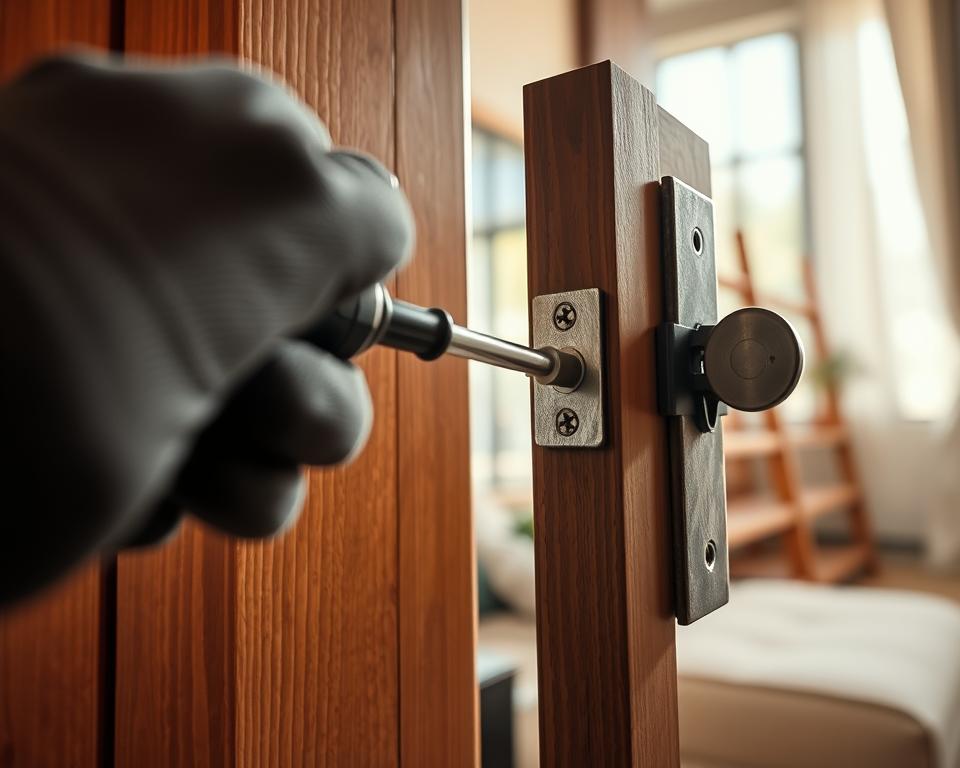
Loosen screws before tightening hinges. Use a screwdriver that fits well to avoid damage. Turn screws counterclockwise until they’re loose, but don’t remove them yet.
Tips for Loosening Screws:
- Apply penetrating oil if screws are stuck.
- Choose a screwdriver with a comfortable grip.
- Only use power tools when necessary.
Tightening the Hinges
After loosening screws, tighten the hinges. Adjust hinge pins or tighten screws that hold the hinge. Make sure the door is aligned before tightening screws. Turn screws clockwise until snug, then test the door.
A well-tightened hinge should result in smooth door operation and reduced noise.
| Step | Action | Tips |
|---|---|---|
| 1 | Assess the hinge condition | Check for visible wear or damage |
| 2 | Loosen the screws | Use a fitting screwdriver, apply penetrating oil if necessary |
| 3 | Tighten the hinges | Ensure proper door alignment, tighten screws snugly |
By following these steps, you can tighten loose door hinges effectively. Regular maintenance, like lubricating hinges, also helps prevent future problems.
When to Replace Hinges Instead of Tightening
Sometimes, tightening hinges isn’t enough. You might need to replace them. It’s important to check your door hinges to decide the best action.
Signs of Worn-Out Hinges
If your door hinges show any of these signs, it’s time to think about replacement hardware:
- Rust or corrosion that’s beyond simple cleaning
- Broken or missing hinge pins
- Hinges that are loose despite tightening
- Visible wear on the hinge plates or screws
Ignoring these signs can cause bigger problems. This includes door misalignment or trouble opening and closing. In these cases, replacing the hinges is a must for your door’s function and your home’s safety.
Choosing the Right Replacement Hinges
When picking replacement hardware, think about these factors for the best fit and quality:
- Material: Go for hinges made from durable materials like stainless steel or brass.
- Size: Make sure the new hinges fit your door right.
- Finish: Pick hinges with a finish that matches your door’s hardware for a consistent look.
- Weight Capacity: Choose hinges that can handle your door’s weight.
Choosing the right replacement hinges can improve your door’s performance and make it last longer. It’s also a chance to upgrade to better hinges with more durability and security.
Tips for Preventing Future Issues
Keeping door hinges in good shape is easy with simple maintenance. A little effort can stop many problems that cause headaches and extra costs.
Regular Maintenance Checks
It’s important to check your door hinges often. I suggest doing this every few months. Tightening loose screws and cleaning out dirt helps a lot.
Listen for squeaks or resistance when you open or close the door. These sounds mean your hinges need some care.
Applying Lubricants
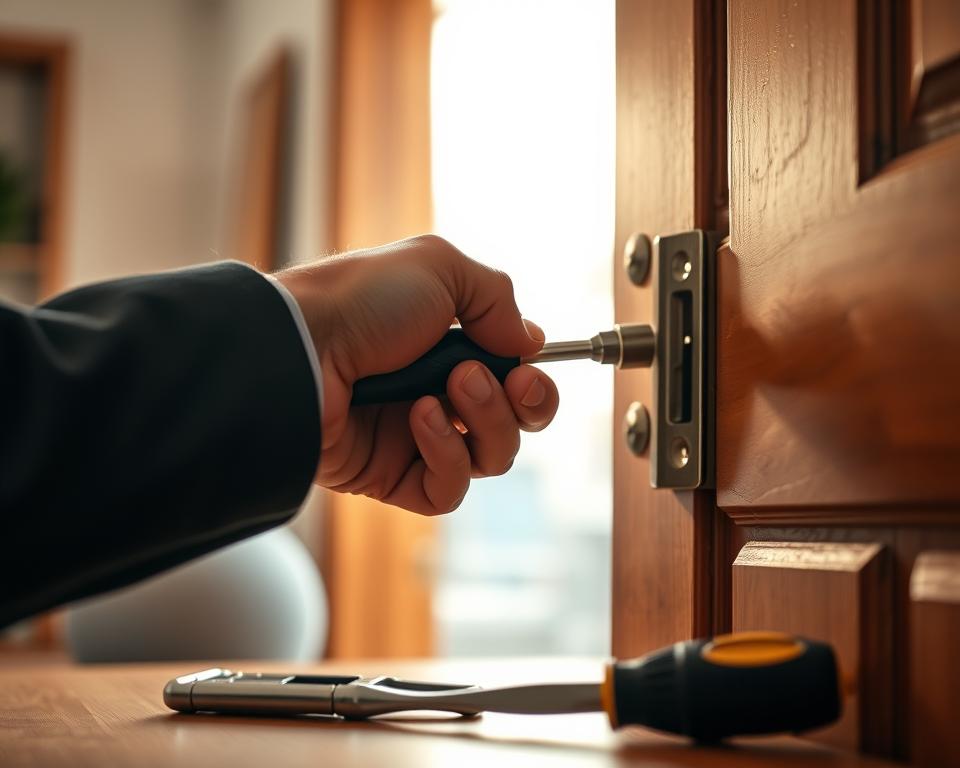
Using lubricants is a great way to keep hinges moving smoothly. I like silicone-based lubricants because they work well and don’t attract dirt.
Put a small amount on the hinge pins and move the door to spread it out. This easy step helps your hinges last longer.
Importance of Quality Hardware
The quality of your door hinges matters a lot. High-quality hinges might cost more at first, but they save money in the long run.
Choose hinges made from durable materials and built to last. Hinges with adjustable pins or soft-close features are also good for extra benefits.
By following these tips, your doors will work smoothly for years. This means you’ll avoid expensive fixes or new hinges.
DIY vs. Hiring a Professional
Tightening loose door hinges can be easy, but choosing DIY or a pro is key. Homeowners might want to save money by doing it themselves. Yet, it’s important to think about the pros and cons of each choice.
Assessing Your Skill Level
First, check if you’re good at DIY. If you know your way around basic tools and simple repairs, you might be able to fix the hinges. But, if you’re not sure or lack experience, it’s safer to hire a professional to avoid making things worse.
Key considerations:
- Your experience with DIY projects
- The complexity of the hinge repair
- Your comfort level with tools
Cost Considerations
Cost is a big factor in your decision. DIY might seem cheap, but think about the tools and materials you’ll need. If you don’t have them, it could cost more. Professional service costs more, but it’s done right.
Factors to consider:
- Cost of tools and materials
- Labor costs for professional service
- Potential for further damage with DIY
Time Investment
Time is also important. DIY projects take a lot of time, which can be hard if you’re busy. Professionals, on the other hand, can do the job fast, saving you time.
Time-saving benefits of hiring a professional:
- Quick assessment and fix
- Experience with similar tasks
- No trial and error
In conclusion, DIY might work for those with the right skills. But, hiring a professional is usually the best choice for a quick, efficient, and lasting fix.
Safety Precautions While Working
When adjusting or tightening door hinges, safety is key. It’s important to keep yourself safe to avoid accidents and injuries.
Wearing Safety Gear
Wearing the right safety gear is a simple yet effective step. You should wear gloves to protect your hands from cuts or pinches. Also, safety glasses help keep your eyes safe from debris or falling objects.
Experts say, “Wearing protective gear is a basic part of staying safe at work.”
“The use of personal protective equipment is a critical component in minimizing the risk of injury.”
Securing the Door
Before you start, make sure the door is secure. Use blocks or wedges to hold it in place and prevent it from falling or swinging.
- Use doorstops or heavy objects to hold the door in place.
- Make sure the door is fully supported to avoid any sudden movements.
Here’s a quick reference table for safety precautions:
| Safety Measure | Description | Importance Level |
|---|---|---|
| Wearing Gloves | Protects hands from cuts and abrasions | High |
| Safety Glasses | Protects eyes from debris | High |
| Securing the Door | Prevents door from falling or moving unexpectedly | Critical |
By taking these safety steps, you can greatly lower the risk of injury when working with door hinges. Always stay alert and focused on safety.
Enhancing Your Home’s Security Through Quality Hinges
Installing quality hinges is a simple way to make your home safer. Door hinges are often overlooked but are key to your home’s security. Upgrading to better hinges adds a layer of protection against intruders.
Benefits of Upgraded Hinges
Upgrading your door hinges brings many benefits, including better security. High-quality hinges are made to last longer and resist tampering. This makes it harder for intruders to get in. They also make your doors work better, ensuring they open and close smoothly.
Some key benefits of upgraded hinges are:
- Increased durability and resistance to wear and tear
- Enhanced security features to prevent tampering
- Improved door alignment and functionality
- Reduced noise from squeaky hinges
Recommended Brands for Security Hinges
Choosing the right hinges for your home is important. There are several trusted brands known for their quality and security. Here are a few top picks:
| Brand | Product Features | Price Range |
|---|---|---|
| Simonswerk | High-security hinges with anti-pick pins | $50-$100 |
| ASSA ABLOY | Hinges with advanced locking mechanisms | $70-$150 |
| Yale | Durable hinges with corrosion-resistant coating | $30-$80 |
Investing in quality hinges from trusted brands can greatly improve your home’s security. I suggest looking into these options to find the perfect fit for your home.
Troubleshooting Common Problems
When tightening door hinges doesn’t solve the problem, it’s time to dig deeper. You might face issues like a door that continues to droop or hinges that remain noisy.
Door Stil Drooping After Tightening
If your door is drooping after tightening the hinges, there could be a few reasons. First, check if the hinges are properly aligned. Misaligned hinges can cause the door to sag, making it hard to open and close. You might need to adjust the hinge placement or replace the hinges.
Another reason for a drooping door could be worn-out hinge pins. Over time, these pins can wear out, causing the door to sag. Replacing the hinge pins with new ones can often solve this problem. Here’s a simple table to help you identify when to replace hinge pins:
| Signs of Worn-Out Hinge Pins | Action Required |
|---|---|
| Rust or corrosion on the pins | Replace the hinge pins |
| Visible wear or damage | Replace the hinge pins |
| Pins are loose or falling out | Replace the hinge pins |
Noisy Hinges After Adjustment
Noisy hinges can be quite annoying, even after adjusting them. One common reason is a lack of lubrication. Applying a lubricant, such as WD-40 or silicone spray, can help reduce the noise. Make sure to wipe off any excess lubricant to avoid attracting dust and dirt.
Another possible cause is friction between the hinge pins and the hinge knuckles. To address this, you can try applying a small amount of lubricant to the hinge pins and knuckles. If the noise persists, it might be worth considering replacing the hinges with new ones that have a more robust design.
By addressing these common problems, you can ensure that your door functions smoothly and quietly. Remember, regular maintenance is key to preventing issues with your door hinges. For more door hinge tightening tips, consider checking out resources from reputable hardware brands.
Conclusion: Enjoying Smooth-Functioning Doors
Keeping your door hinges in good shape is key for your home’s function and safety. Tightening loose hinges stops squeaks and keeps doors straight.
Key Steps for DIY Success
Fixing loose door hinges is easy and can be done at home. With the right tools and a little patience, you can do it yourself.
Regular checks and lubrication can stop problems before they start. Also, using better hardware boosts your home’s safety.
With the tips from this article, you can have doors that work smoothly and quietly. Well-maintained hinges really make a big difference in your daily life.