


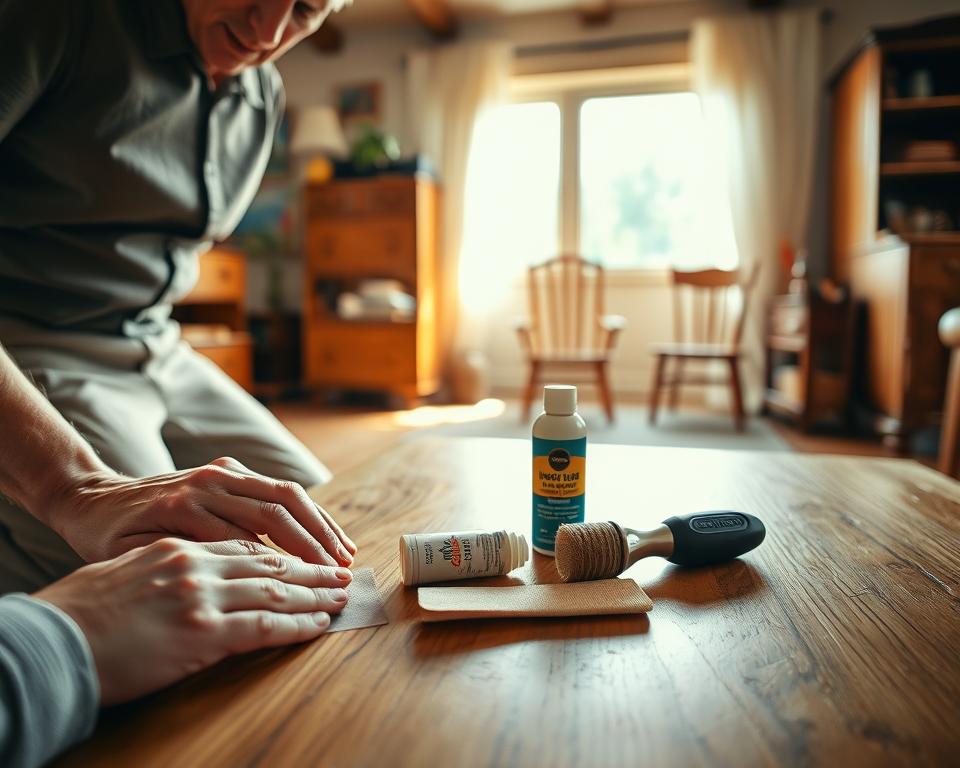
I’ve seen my share of scratches on wooden furniture and know how annoying they can be. Whether it’s a family heirloom or a modern piece, those marks can really stand out. But, I’ve found that fixing wooden furniture is simpler than you might think.
With a few basic DIY tricks, you can fix scratches and make your furniture look brand new. In this article, I’ll share my top easy DIY tips for covering those unwanted scratches.
Key Takeaways
- Simple DIY methods can restore the beauty of wooden furniture.
- Easy techniques can be used to repair scratches effectively.
- Restoring furniture can be a cost-effective alternative to replacing it.
- DIY repairs can be done with minimal tools and materials.
- With practice, you can become proficient in repairing scratches.
Understanding Wood Scratches and Their Causes
Wood scratches are common when you own wooden furniture. Knowing why they happen helps you fix them right. Scratches come from many things, and knowing them helps prevent and take care of them.
Common Causes of Wood Scratches
Scratches happen from daily wear, accidental bumps, and wrong cleaning. For example, moving furniture the wrong way can scratch floors or other surfaces.
Using harsh cleaners or rough cloths can also scratch wood. Being careful about these can help avoid scratches.
How to Identify Different Types of Scratches
Scratches on wood can be shallow or deep. Shallow scratches only touch the surface, while deep ones go into the wood.
Knowing the scratch type is key to fixing it. Shallow scratches might just need a quick fix with a marker or polish. But deep scratches need more, like wood filler.
| Type of Scratch | Description | Repair Method |
|---|---|---|
| Superficial | Affects only the surface or finish | Marker or polish |
| Deep | Penetrates into the wood | Wood filler |
The Impact of Scratches on Wood Finish
Scratches can make wood furniture look old and worn. They can damage the finish, like varnish or wax, and expose the wood underneath.
Scratches also let moisture in, which can cause warping or color changes. So, fixing scratches quickly is important to keep the wood looking good.
Quick Fixes for Minor Scratches
Fixing minor scratches on wood furniture is easy with simple methods and materials. Whether it’s a scratch on your favorite chair or a scuff on your coffee table, there are quick fixes. These can make your furniture look new again.
Using Walnut to Conceal Scratches
Walnut is a simple way to hide minor scratches. Rubbing a walnut over the scratch can blend it with the wood. The walnut’s oils fill in the scratch, making it less visible. This works well for shallow scratches.
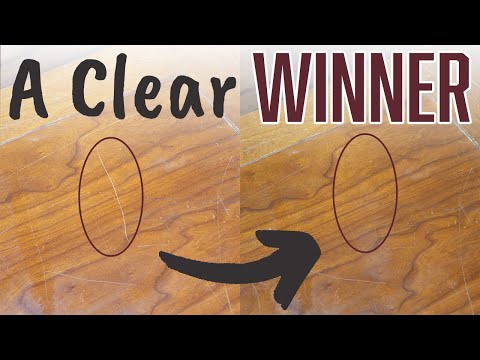
Applying a DIY Furniture Scratch Repair Solution
For a more lasting fix, use a furniture scratch cover or wood scratch remover. These products fill in scratches and restore the wood’s finish. Choose a product that matches your wood and finish for a seamless repair.
To use a DIY solution, clean the scratched area first. Then, apply the solution with a small applicator or cloth, following the instructions. For detailed steps, check out Thrifty Decor Chick for a guide on fixing scratches.
Here’s a comparison of different wood scratch repair methods:
| Method | Effectiveness | Ease of Use |
|---|---|---|
| Walnut Oil | Good for shallow scratches | Easy |
| DIY Repair Solution | Effective for deeper scratches | Moderate |
Experts say, “The key to a successful scratch repair is matching the repair material to the wood type and finish.” Using the right methods and materials can greatly improve your furniture’s look.
“The key to a successful scratch repair is matching the repair material to the wood type and finish.”
Stains and Markers: A Temporary Solution
Stains and markers are great for hiding wood scratches temporarily. They’re perfect for a quick fix until you can do a more lasting repair.
Choosing the Right Stain Color
Finding the right stain color is key to hiding scratches well. You should match the stain to the wood’s original color as closely as you can. Here’s how to pick the right stain:
- Look at the scratch to see the wood’s color.
- Compare the wood color with stain samples.
- Test the stain on a small area first.
Choosing a stain that matches your wood’s color can make your furniture look better. For an exact match, you might want to ask a pro or use a color-matching app.
Step-by-Step Guide to Using Markers
Wood touch-up markers can cover minor scratches well. Here’s how to use them:
- Pick a marker that matches your wood’s color.
- Color over the scratch with the marker.
- Blend the edges with the wood around it.
Markers are a fast and simple fix for small scratches. But for bigger scratches, you might need a different fix.
| Method | Best For | Skill Level |
|---|---|---|
| Stains | Minor scratches, color matching | Intermediate |
| Markers | Minor scratches, quick touch-ups | Beginner |
Using stains and markers can temporarily cover wood scratches. This keeps your furniture looking good until you can fix it for good.
Utilizing Paint for Deeper Scratches
To fix deep scratches on wood, picking the right paint and technique is key. Deeper scratches need more than just a quick fix. They require a detailed approach to look good again.
Selecting the Appropriate Paint
Choosing the right paint is essential. You must match the color and finish of the wood. Pick a paint that closely matches the wood’s color. If unsure, test it on a small area first.
Consider the wood type when picking paint. Oak or pine might need special paint with an undercoat. This ensures the right color.
Techniques for Blending Paint with Wood
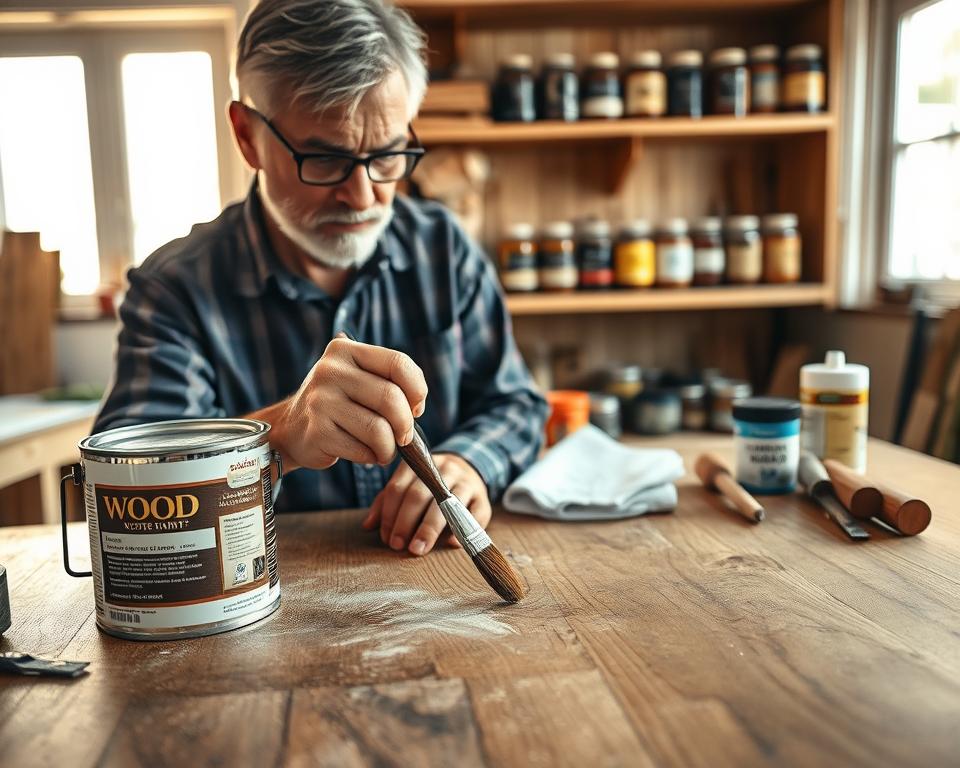
After picking the right paint, blend it with the wood. Start with a thin layer on the scratch using a small brush. Wait for it to dry before deciding on a second coat.
To get a smooth finish, use a drybrushing technique. This means lightly brushing the edges to blend them with the wood. It makes the repair almost invisible.
For extra protection, apply a clear varnish or polyurethane after it’s dry. This protects the paint and makes the repair look like part of the wood.
Furniture Polish and Wax: Protective Coatings
Applying furniture polish and wax is a great way to protect your wood furniture from scratches. These products not only make your furniture look better but also shield it from daily damage.
Benefits of Using Furniture Polish
Furniture polish nourishes and protects the wood, making it look better. Regular use of furniture polish creates a barrier against damage. It also fills in small scratches, making them less visible. Make sure to pick a polish that matches your furniture’s wood type.
Some benefits of using furniture polish include:
- Enhances the wood’s natural color and grain
- Provides a protective layer against spills and scratches
- Can help to repair minor scratches
A furniture care expert says, “Regular polishing keeps your wood furniture healthy and looking good.”
“The right polish can make all the difference in the longevity and look of your furniture.”
How to Apply Wax for Scratch Repair
Wax is great for protecting and fixing wood furniture. Applying wax creates a hard, protective surface that prevents scratches. First, clean the area around the scratch to remove dirt or debris. Then, apply a small amount of wax to the scratch with a soft cloth. Let it dry before buffing it out with a clean cloth.
| Step | Description |
|---|---|
| 1 | Clean the area around the scratch |
| 2 | Apply wax to the scratched area |
| 3 | Rub the wax in thoroughly |
| 4 | Allow the wax to dry before buffing |
By following these steps and using furniture polish and wax, you can protect your wood furniture from scratches and keep it looking great.
Repairing Deep Scratches with Wood Filler
Dealing with deep scratches on wood furniture? Wood filler is a great fix. These scratches can look bad and weaken the wood. But, with the right steps, you can make your furniture look new again.
Types of Wood Filler to Use
There are many wood fillers out there, each with its own benefits. Water-based wood fillers are easy to clean up and work well on most woods. They dry fast and can be sanded smooth.
Solvent-based wood fillers are more durable and good for busy spots or big scratches.
Color-matched wood fillers are perfect for precise repairs. They match the wood color, great for stained or finished wood. This keeps your furniture looking original.
Step-by-Step Application Process
Using wood filler is simple but needs patience and care. Here’s how to do it:
- Clean the scratched area well to get rid of dirt or debris.
- Use a putty knife to apply the wood filler, pressing it into the scratch.
- Let the filler dry as the maker says.
- Sand the area smooth, blending the edges with the rest of the wood.
- Finish with a stain or sealant to match the original finish.
By following these steps and picking the right wood filler, you can fix deep scratches. This will help your wood furniture last longer. Whether it’s a piece of furniture or a wooden floor, using wood filler can really help.
Professional Repair Options for Severe Damage
For deep or extensive wood scratches, professional repair services can provide a lasting solution. DIY methods work well for minor scratches. But, severe damage often needs a pro to fix it right.
When to Call a Professional
It’s important to know when to ask for help. If the scratch goes deep enough to show the wood beneath, or if it harms the furniture’s structure, get a pro. Also, if the scratch is big or in a place everyone sees, a pro can fix it smoothly.
Signs that you need professional help include:
- Deep scratches that reveal the wood grain
- Scratches that cover a significant portion of the surface
- Damage that affects the structural integrity of the furniture
Expected Costs for Wood Repair Services
The cost of professional wood repair services varies a lot. It depends on the damage, wood type, and where you are. You might pay $100 to $500 or more for big repairs. Always ask for a detailed estimate before starting.
Things that affect the price include:
- The size and depth of the scratch
- The type of wood and its value
- The complexity of the repair
- The location and reputation of the repair service
Knowing these can help you get ready for the cost of fixing wood scratches professionally.
Prevention is Key: Protecting Your Wood Surfaces
It’s easier to prevent scratches on wood furniture than to fix them. Regular care and simple steps can keep your wood surfaces looking great.
Tips for Maintaining Your Wood Furniture
To keep your wood furniture in top shape, create a cleaning schedule. Dust and dirt can lead to scratches, so regular dusting with a soft cloth is key. For deeper cleaning, use a gentle wood cleaner that won’t harm the finish. Check out this guide for more tips.
Polishing your wood furniture regularly helps keep it looking good and protects it from scratches. Choose a high-quality polish that fits your wood type and follow the instructions.
Best Practices to Avoid Future Scratches
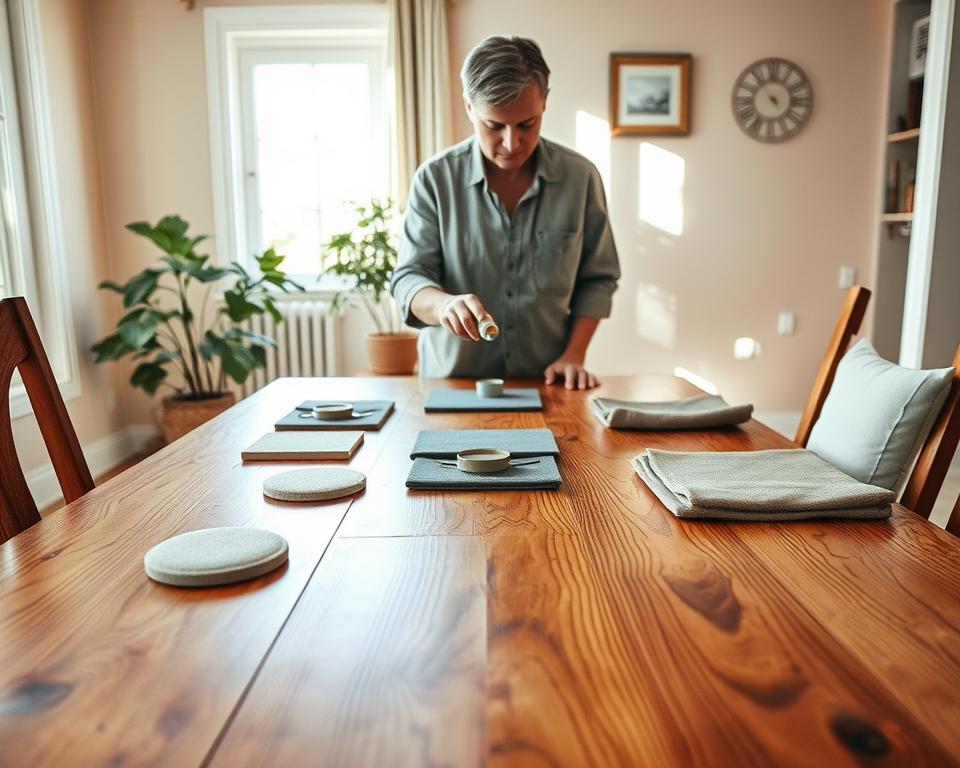
To avoid scratches, handle your furniture with care and take preventive steps. Using felt pads on furniture legs is a great way to prevent floor scratches. Also, lift your furniture instead of dragging it to avoid scratches.
- Use placemats or tablecloths to protect your wood surfaces from spills and scratches.
- Avoid placing harsh or abrasive objects directly on your wood furniture.
- Keep your wood furniture away from direct sunlight to prevent fading and damage.
By following these tips and being proactive about caring for your wood furniture, you can enjoy its beauty for many years. For more on covering up wood scratches, see the previous sections of this guide.
Frequently Asked Questions About Wood Scratch Repair
As we wrap up our look at wood scratch repair, you might have some questions left. Whether it’s a small scratch or a big one, knowing how to fix it is key.
Preventing Scratches
It’s always better to prevent scratches than to fix them. To avoid scratches, put felt pads on furniture legs and don’t drag heavy things on the floor. Dusting and polishing your wood furniture often can also help keep it looking good and prevent scratches.
Repairing Scratches on Painted Wood
Fixing scratches on painted wood is easier than on natural wood. For small scratches, use touch-up paint that matches the color. For bigger scratches, you might need to use wood filler first, then paint. Having the right tools and materials is important for DIY repairs.
Best Products for Scratch Repair
There are many products for covering furniture scratches, depending on the scratch’s type and depth. For small scratches, wax filler or a scratch remover works well. For deeper scratches, consider a wood scratch touch up kit or a DIY solution.