


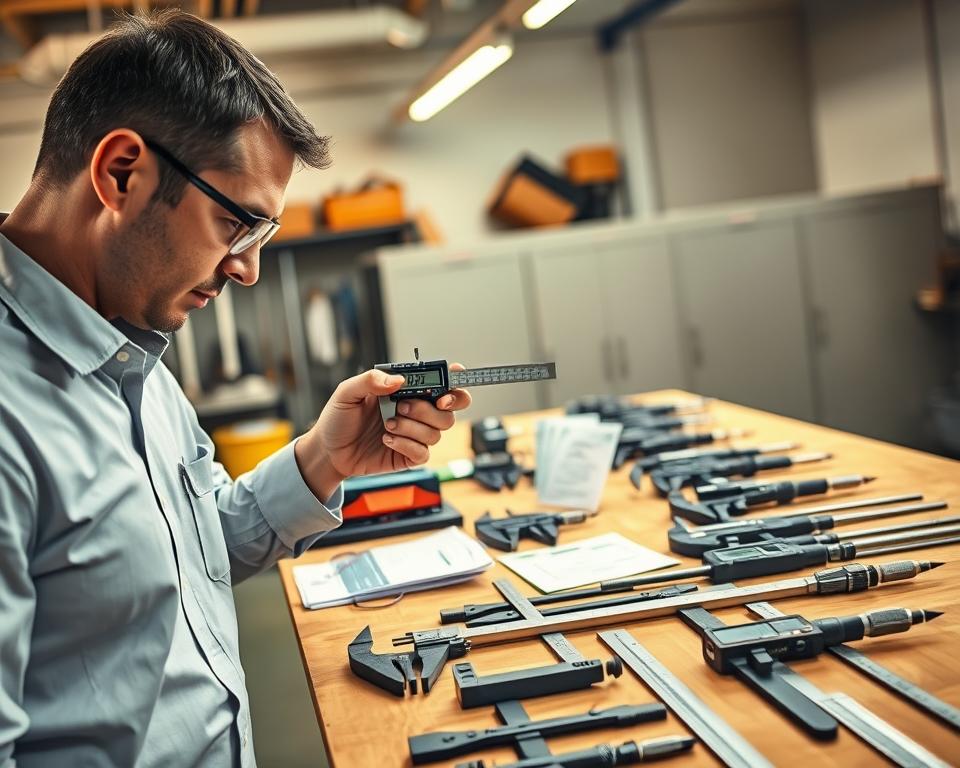
A single miscalibrated measuring tool can cause big problems. It can mess up whole production lines in manufacturing or lead to wrong diagnoses in healthcare. Precision measurement tools are key to getting things right in many fields.
If you need accurate measurements, you’re in the right place. I’ll show you how to calibrate your tools. This is important for anyone who needs exact measurements, whether in manufacturing, healthcare, or other fields.
Key Takeaways
- Understanding the importance of calibration for accurate results
- Overview of the calibration process for measuring tools
- Industry-specific considerations for precision measurement
- Best practices for maintaining calibrated measuring tools
- Common mistakes to avoid during the calibration process
Why Calibrating is Essential for Accuracy
Calibration is key for getting precise measurements. It makes sure measuring tools give accurate data. This data is vital for making smart choices in many fields.
Understanding Calibration Basics
Calibration adjusts tools to match known standards. This step removes errors and makes sure measurements are the same across all tools. Proper calibration procedures are key to keeping data trustworthy.
Calibration basics mean knowing the tool, the standards, and the steps to follow. Knowing these helps make sure tools work right.
Benefits of Regular Calibration
Regular calibration brings many advantages, like better accuracy and fewer errors. It keeps data reliable over time. This is very important in fields where exact measurements are needed.
| Benefits of Calibration | Description |
|---|---|
| Improved Accuracy | Calibration ensures that measuring instruments provide accurate readings. |
| Reduced Risk of Errors | Regular calibration minimizes the likelihood of measurement errors. |
| Compliance with Standards | Calibration helps ensure compliance with instrument calibration standards. |
Knowing calibration basics and following regular procedures keeps tools accurate and reliable. This supports the quality of data and the decisions made from it.
Types of Measuring Tools That Need Calibration
Accurate measurements depend on the calibration of various measuring tools used in different fields. Calibration ensures these tools give precise readings. This is key for achieving desired outcomes in many industries.
Common Tools in Various Industries
Different industries use a range of measuring tools that need calibration. For example, in manufacturing, micrometers and calipers are used to measure dimensions accurately. In labs, thermometers and pH meters are key for precise temperature and acidity measurements.
Calibration of these tools is essential. It ensures they work right and give accurate readings. A miscalibrated thermometer, for instance, can cause wrong temperature readings. This can have big consequences in scientific experiments or industrial processes.
Specific Instruments That Require Precision
Certain measuring instruments need high precision and regular calibration. Micrometers, for example, measure small dimensions with high accuracy. Their calibration is key for ensuring the quality of manufactured parts.
Pressure gauges used in industrial settings also need calibration. This is to ensure pressure readings are accurate. This is vital for safety and process control.
Other instruments, like oscilloscopes and signal generators, also need calibration. These tools are used in electronic testing and measurement. Precision is critical here.
By understanding which measuring tools need calibration and ensuring they are calibrated regularly, industries can keep high standards of quality and accuracy in their operations.
The Calibration Process Explained
Calibration is key to keeping your measuring tools accurate and reliable. It adjusts your tools to give readings as close to the true value as possible.
To calibrate your tools well, you need to know the process and have the right gear. For more details, check out Fluke’s calibration blog. It offers deep insights into calibration.
Step-by-Step Guide to Calibrating Tools
Calibrating your tools might seem hard, but it’s simple once you know the steps. Here’s a guide to help you:
- Find the tool that needs calibration and make sure you have the right calibration equipment.
- Look at the manufacturer’s instructions for specific calibration procedures.
- Get your tool ready for calibration by cleaning and checking for damage.
- Follow the calibration procedures from the manufacturer’s instructions, making any needed adjustments.
- Check if your tool is accurate after calibration to make sure it’s giving correct measurements.

Tools and Equipment Needed
To calibrate your measuring instruments right, you need the correct calibration equipment. This includes calibration standards, reference materials, and special calibration software.
The equipment you need depends on the tool you’re calibrating. For instance, calibrating a thermometer might need a temperature calibration bath. Calibrating a pressure gauge might need a pressure calibration device.
By following these steps and using the right tools, you can make sure your measuring tools are accurately calibrated. This gives you reliable measurements for your work.
How Often Should I Calibrate My Tools?
Calibration isn’t a one-size-fits-all deal. It depends on how often you use your tools and what industry standards say. Knowing when to calibrate is key to keeping your tools precise and lasting longer.
Factors Influencing Calibration Frequency
Several things decide how often you should calibrate your tools. These include:
- The type of tool and its intended application
- The frequency of use and the conditions under which the tool is used
- The manufacturer’s recommendations for calibration
- Industry standards and regulatory requirements
Tool usage patterns play a big role in how often you need to calibrate. For example, tools used in tough environments or for important tasks might need more frequent checks. An expert notes, “Calibration is key to keeping measuring tools accurate and reliable.”
“The calibration of measuring instruments is a critical aspect of quality control in many industries. Regular calibration ensures that instruments are functioning correctly and providing accurate measurements.”
Industry Standards and Recommendations
Different fields have their own rules for calibration. For instance, in aerospace and automotive, rules come from regulatory bodies. Knowing the instrument calibration standards for your field is vital.
Let’s look at a few examples:
| Industry | Calibration Frequency | Standards/Regulations |
|---|---|---|
| Aerospace | Every 6-12 months | AS9100, ISO 17025 |
| Automotive | Every 12 months | ISO 9001, IATF 16949 |
| Medical Devices | Every 6 months | ISO 13485, FDA Regulations |
By knowing what affects calibration frequency and following industry guidelines, you can keep your tools precise and dependable. Regular calibration is essential for quality and meeting standards in many fields.
Signs That My Tools Need Calibration
Wondering if your measuring tools are giving you the right readings? It’s time to check if they need calibration. Calibration is key to making sure your measurements are accurate and trustworthy. Tools can lose their calibration over time due to wear, environmental changes, or mechanical stress.
Identifying Inaccuracies
First, look for signs of inaccuracies in your tools. Regularly inspect and test them against known standards. For example, if you’re using tools like micrometers or calipers, check them against gauge blocks or other standards.
Key indicators of inaccuracy include:
- Drift in measurements over time
- Discrepancies between different tools measuring the same parameter
- Visible wear or damage to the tool
Common Symptoms of Miscalibration
Miscalibration can show up in different ways, depending on the tool and its use. Look out for things like inconsistent or erratic readings, measurements outside expected ranges, or a tool’s zero point shifting.
Some specific examples of miscalibration symptoms are:
- A thermometer consistently reading higher or lower than expected
- A pressure gauge showing incorrect pressures
- A scale that doesn’t return to zero after a measurement
By spotting these signs and acting on them, you can keep your measuring tools accurate and reliable.
Where to Get Your Measuring Tools Calibrated
Knowing where to get your measuring tools calibrated is key. Calibration is a precise process. It needs either professional help or the right DIY approach.
Professional Calibration Services
Specialized labs and companies offer professional calibration services. They have the right equipment and know-how. These services calibrate many measuring tools, from simple calipers to complex CMMs.
Using professional services has many benefits:
- High accuracy and reliability
- Meets industry standards and regulations
- Expert technicians with lots of experience
- Provides calibration certificates and documentation
The National Institute of Standards and Technology (NIST) in the U.S. is a great example. They offer calibration services and standards for many measuring instruments.
“Calibration is not just about adjusting a device; it’s about ensuring that the measurements are traceable to a known standard.”
DIY Calibration vs. Professional Help
Some people choose to calibrate their tools themselves. DIY calibration can save money for simple tools. It’s good for those with the right skills and tools.
But, DIY calibration has its limits. For complex tools or when precision is key, getting professional help is better.
| Aspect | DIY Calibration | Professional Calibration |
|---|---|---|
| Cost | Generally lower upfront cost | Higher cost, but includes expertise and certification |
| Accuracy | Dependent on user’s expertise | High accuracy with traceable standards |
| Equipment | Requires specific calibration equipment | Access to advanced and calibrated equipment |
Choosing between DIY and professional calibration depends on your tools’ needs and your organization’s goals.
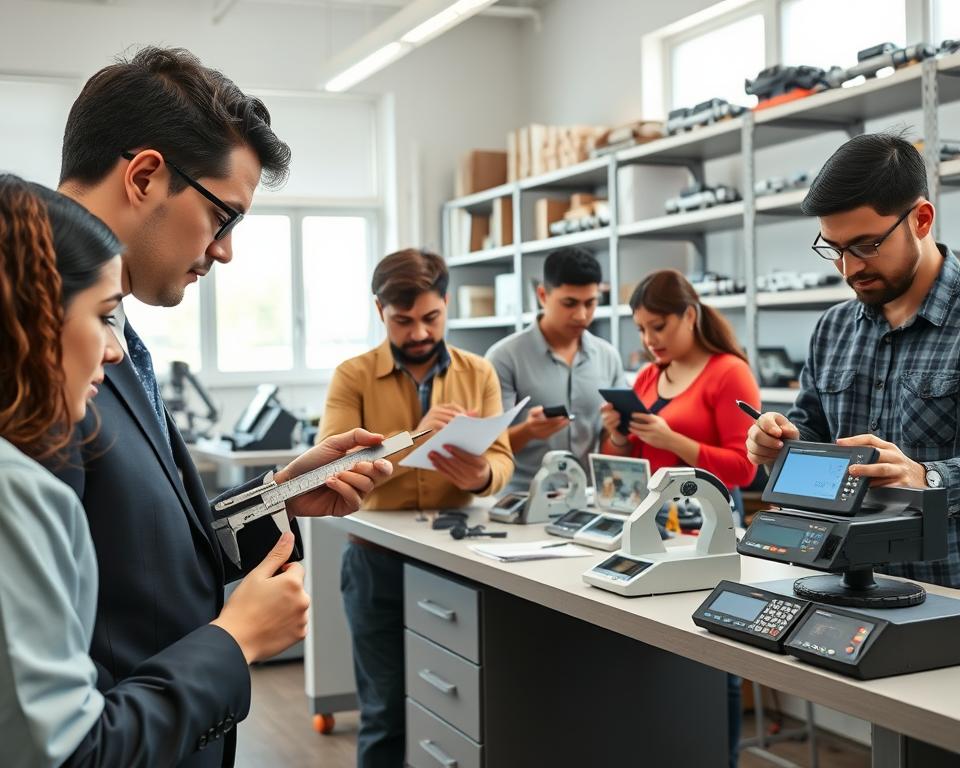
In conclusion, whether you calibrate yourself or get professional help, accuracy and standards are key.
The Importance of Calibration Certification
In industries where accuracy is key, calibration certification is vital. It’s not just a rule; it shows reliability and precision. I know how important it is for tools to give accurate readings.
“Calibration is the backbone of any measurement system,” experts say. Calibration certification is very important. It’s critical in areas where small errors can cause big problems.
Understanding Calibration Standards
Calibration standards are what measuring tools are checked against. These standards come from places like the National Institute of Standards and Technology (NIST). Knowing these standards is vital for any business that needs precise measurements. Instrument calibration standards differ by industry but all aim for consistent and reliable measurements.
To meet these standards, following calibration procedures carefully is key. This means using calibrated tools to check instruments against known standards. This way, businesses can make sure their tools are working right.
Keeping a Calibration Log
Keeping a calibration log is a smart move. It tracks the history of measuring instruments. It records each calibration, including the date, results, and any changes. This shows a business follows rules and standards.
A calibration log also helps spot issues with tools. For example, if a tool always needs adjustments, it might need fixing or replacing. From my experience, a good calibration log is essential for keeping tools accurate in calibrating industrial tools.
“The key to reliable measurements is not just calibration, but also the documentation of calibration activities.”
Troubleshooting Calibration Issues
Dealing with calibration problems is key for anyone who needs precise measurements. Even with the best care, issues can pop up. Knowing how to fix them is vital for keeping your tools accurate.
Common Problems and Solutions
Many common issues can mess with your measuring tools’ calibration. Knowing these problems and how to solve them helps keep your tools precise.
- Drift Over Time: Tools can lose calibration over time due to wear. Regular checks can spot this.
- Environmental Factors: Things like temperature and humidity can affect calibration. Calibrate your tools in the conditions they’ll be used in.
- Improper Handling: Tools can get miscalibrated if mishandled. Always treat them with care.
To tackle these problems, a systematic approach is key. First, check the tool’s calibration certificate and log for patterns or past issues.
| Issue | Cause | Solution |
|---|---|---|
| Tool reading is inconsistent | Wear and tear or environmental factors | Recalibrate the tool and check environmental conditions |
| Tool is damaged | Improper handling or physical shock | Repair or replace the tool as necessary |
| Calibration log is incomplete | Lack of regular calibration checks | Establish a regular calibration schedule |
When to Seek Professional Advice
While many calibration problems can be fixed at home, some need a pro’s touch. If you’re not sure how to fix an issue or if it won’t go away, get expert help.
Professional calibration services offer the needed expertise for accurate tool calibration. They can also help set up a calibration schedule that fits your needs and follows standards.
In summary, solving calibration problems involves understanding common issues, applying solutions, and knowing when to ask for help. By following these steps, you can keep your measuring tools accurate and dependable.
The Financial Impact of Calibration
Accurate calibration is key for industries that need precise measurements. It’s not just a technical need but also a financial must. Let’s explore how calibration affects a company’s finances.
Cost Benefits of Accurate Measurement
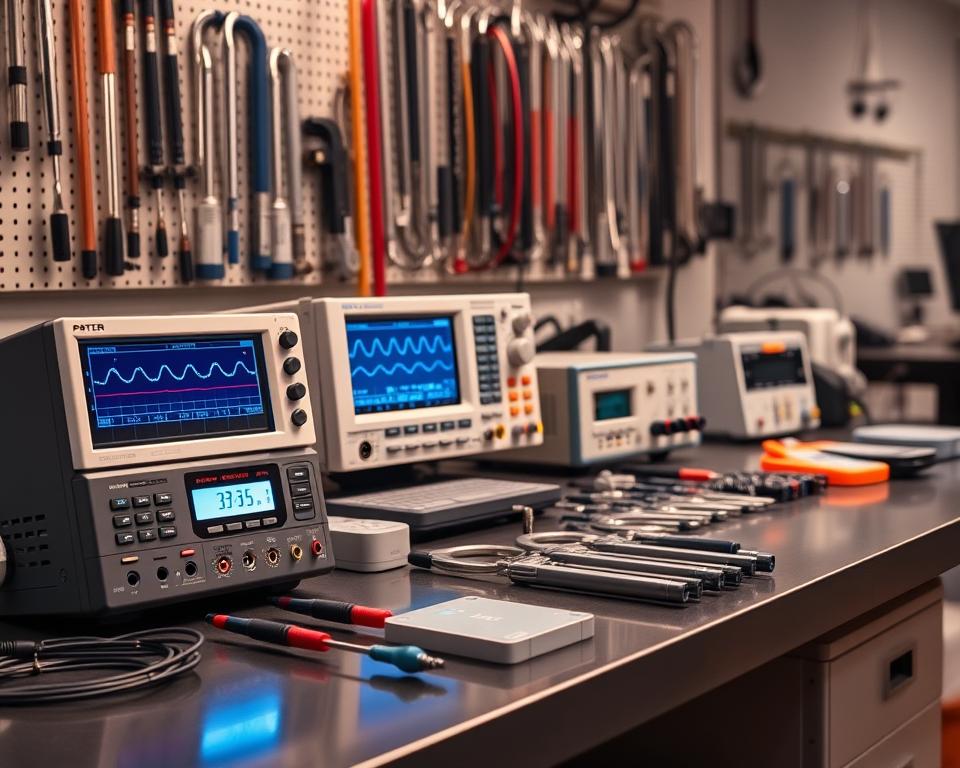
Using the right calibration equipment saves money. Accurate tools mean less rework, less waste, and better efficiency. For example, a calibrated machine avoids errors, saving on materials and labor.
Also, accurate measurements help follow industry standards. This lowers the chance of legal and financial problems. A study shows that regular calibration saves money and keeps production running smoothly. You can learn more at PTE Inc..
Avoiding Losses Due to Errors
Calibration errors can cost a lot. Inaccurate measurements lead to bad products, which hurt finances and reputation. By calibrating industrial tools, companies avoid these problems. For instance, precise calibration in manufacturing means products meet standards, reducing defects.
Calibration also makes equipment last longer. Efficient, well-calibrated machines need fewer repairs or replacements. This saves money over time through measuring instrument calibration.
“The importance of calibration cannot be overstated. It’s a critical component of quality control that directly impacts a company’s financial health.”
In summary, calibration’s financial effects are wide-ranging. It affects both immediate costs and long-term savings. By focusing on calibration, businesses can improve their finances and efficiency.
Innovations in Calibration Technology
New breakthroughs in calibration are making precision measurement tools better. They allow for more accurate and reliable data across many industries. The field of calibration is changing a lot because of new technology.
New Tools and Techniques
Recently, new calibration procedures have been developed. They use advanced software and hardware. These new methods make calibration faster and more precise. This cuts down on downtime and boosts productivity.
Some key advancements are:
- Automated calibration systems that cut down on human mistakes
- Advanced data analytics for smarter calibration choices
- IoT technologies for remote monitoring of calibration
Future Trends in Tool Calibration
The calibration industry will soon follow even stricter instrument calibration standards. Future trends might include more AI and machine learning. These will help predict and prevent calibration issues.
As technology keeps improving, it’s vital to keep up with the latest in calibration tech. This ensures your practices stay current and meet industry standards.
Best Practices for Maintaining Calibrated Tools
To keep your measuring tools in top shape, follow some key maintenance tips. This ensures they last longer and stay accurate.
Proper Storage and Handling Techniques
Storing and handling your tools right is key. Always keep them in a dry, clean spot, away from sunlight and extreme temps. For example, storing precision tools in humid or dirty places can cause corrosion or damage.
Be gentle when handling your tools. Avoid dropping them or exposing them to harsh impacts. This can stress the tools and mess up their calibration. When not in use, store them in cases or containers to shield them from dust and damage.
Regular Maintenance Routines
Regular upkeep is essential for your tools’ longevity. This means cleaning and checking them often to keep them working well. For electronic tools, check the batteries and swap them out when needed to avoid power problems.
Setting up a regular check schedule for your tools is smart. This lets you verify their calibration status at set times, based on how often you use them and the maker’s advice. Keeping a log of these checks helps you see how your tools are doing and spot any issues early.
By sticking to these best practices, your measuring tools will stay precise and dependable. This helps your work be more accurate and efficient.
Concluding Thoughts on Calibration
Calibrating your measuring tools is key to getting accurate results. We’ve talked about why calibration matters, which tools need it, and how to do it.
Remember, calibration is not just a one-time thing. It’s something you need to keep doing to stay precise. Regular calibration means you can count on your measurements, which is vital for making smart choices in many fields.
Maintaining Precision
To keep your tools precise, think about using professional calibration services. These services make sure your tools are calibrated right, giving you dependable measurements.
Future of Calibration
The future of calibration looks bright with new, advanced tools. These tools will help you get even more accurate results. Keeping up with new calibration tech will help you improve your measurements even more.
By focusing on calibration and using the best tools and services, you ensure your measurements are always trustworthy. This shows your dedication to accuracy in Calibrating Your Measuring Tools.